

Setting up a vibrant and engaging world language classroom is essential for creating an environment conducive to effective language acquisition. However, it’s important to approach classroom decoration with purpose and meaning rather than just aesthetic appeal. Instead of rushing to adorn the walls before the first class, consider giving your students a chance to contribute to the decor. This approach not only adds a personal touch but also aligns perfectly with the principles of Acquisition Driven Instruction.
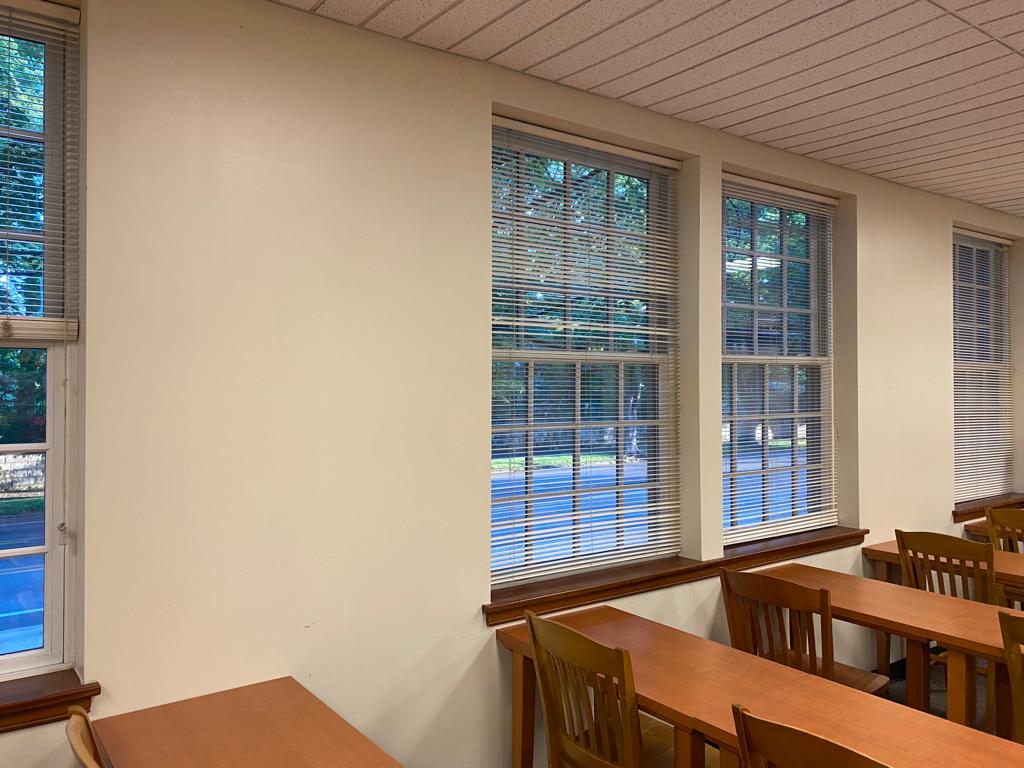
Often, classrooms can end up looking colorful and lively, yet fail to resonate with the students’ language learning journey. For language learners, meaningful and compelling surroundings are paramount. The key lies in incorporating artifacts that genuinely matter to them. This is where student artifacts take center stage. Encourage your students to bring in posters, pictures, drawings, or items from their cultural backgrounds. These artifacts could represent their interests, heritage, or experiences, creating a unique tapestry of diversity within the classroom.
Just as we personalize our bedrooms with items close to our hearts, allowing students to bring a piece of themselves into the classroom fosters a sense of ownership and belonging. Each artifact they contribute becomes an avenue for them to engage with the target language. Whenever you refer to these artifacts during lessons, you’re providing a context for language use that’s both relevant and motivating.
Remember, the language classroom should be more than just a space for rote learning. It’s a community where language comes alive through meaningful interactions. By embracing student artifacts, you’re weaving the threads of individual stories into the fabric of language acquisition. As these artifacts spark conversations and connections, they become catalysts for language use and skill development.
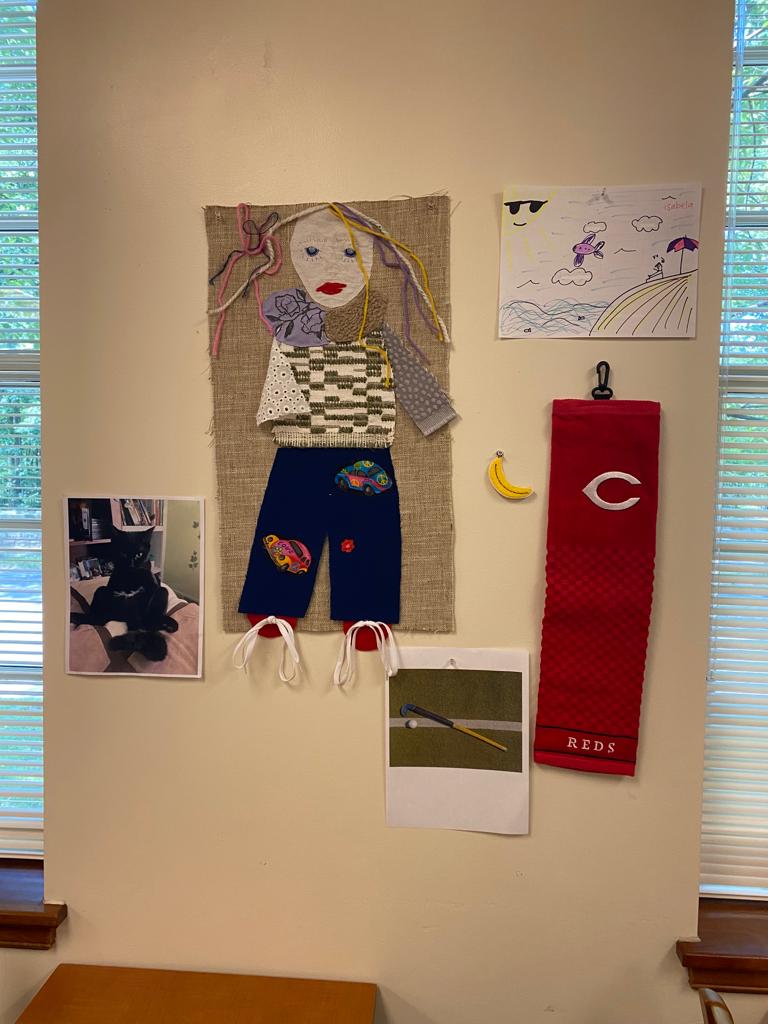
In conclusion, skip the hurried classroom decoration routine and instead, invite your students to contribute their personal artifacts. This collaborative approach not only builds a visually appealing space but also creates a deeper connection to the language learning process. Let the classroom walls echo with the diverse voices of your students, turning the environment into a vibrant tapestry of language and culture.
To finish, I would like to say that decorating a Spanish classroom with items such as banderas, piñatas, and sombreros, while intended to create an immersive learning environment, can inadvertently lead to stereotyping. While these elements may be associated with certain aspects of Spanish and Latinx cultures, relying solely on such visual cues can oversimplify and essentialize the rich and diverse tapestry of these cultures. This approach might perpetuate stereotypes by reducing complex identities to superficial symbols. I never had an English language class decorated with cowboy boots and hats.
Follow me on Instagram at Sr_Ojeda
Subscribe to my YouTube channel at @DiegoOjedaEDU
 DIEGO OJEDA